
The Ultimate Guide to Fire Extinguisher Installation: Placement & OSHA Requirements
When it comes to workplace and home safety, buying the right equipment is only half the battle. Proper fire extinguisher installation is just as crucial as having the device in the first place. If an emergency strikes, an extinguisher that is hidden, blocked, or mounted too high can waste precious seconds and allow a small fire to become uncontrollable.
Whether you are a business owner ensuring OSHA compliance or a homeowner upgrading your safety plan, this guide covers everything you need to know about the rules, regulations, and best practices for proper placement.
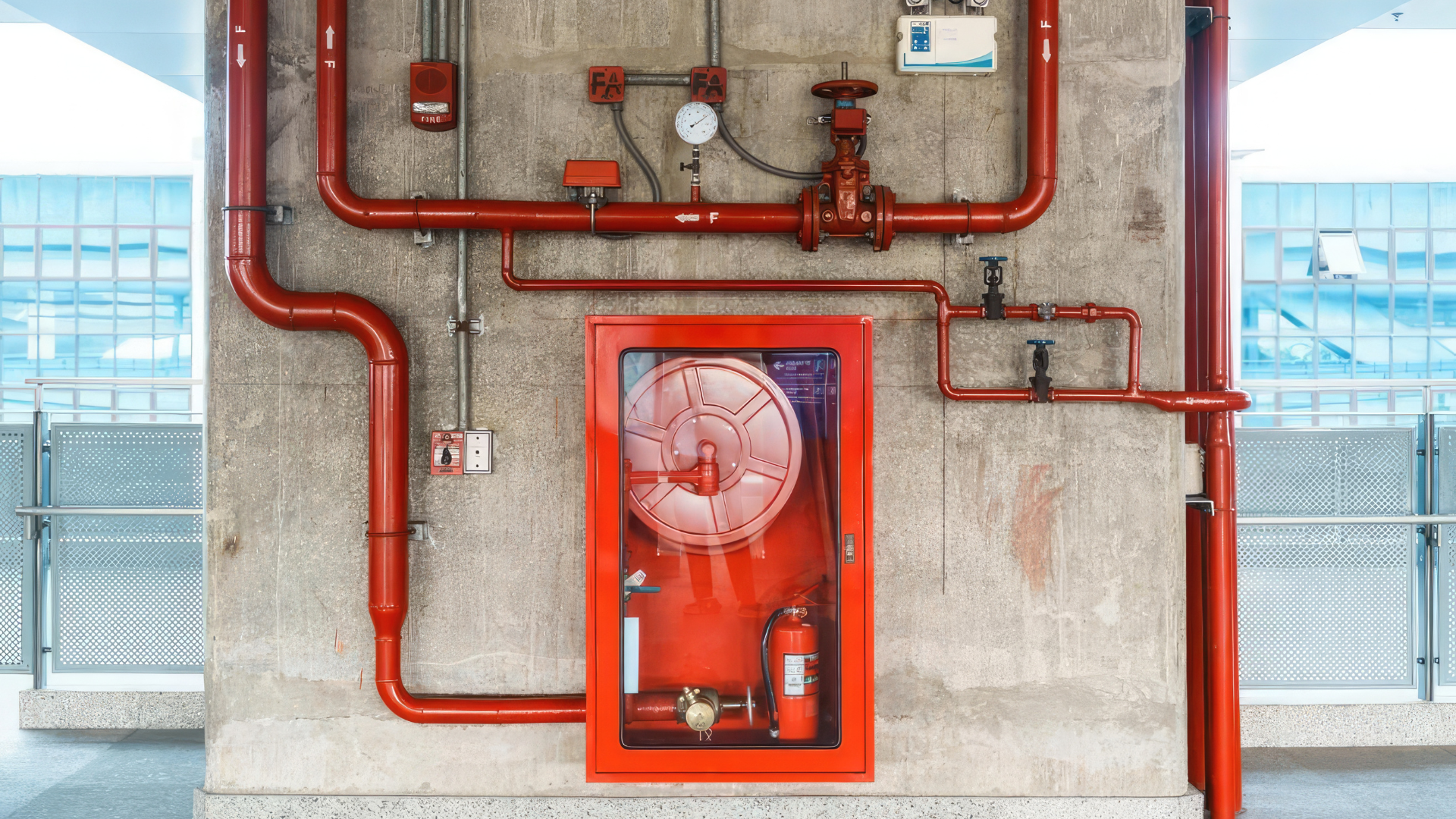
Why Professional Fire Extinguisher Installation Matters
Placing your fire safety equipment correctly isn't just about convenience; it is often a strict legal requirement. Proper fire extinguisher installation ensures:
- Quick Access: In an emergency, every second counts. Strategic placement allows individuals to combat small fires before they escalate or clear a path for safe evacuation.
- Code Compliance: Following guidelines set by OSHA and the National Fire Protection Association (NFPA) helps businesses avoid severe penalties and failed safety inspections.
- Visibility: A highly visible extinguisher serves as a constant reminder of fire safety protocols for employees and visitors.
Fire Extinguisher Installation Height Requirements
One of the most frequently asked questions on Google is, "How high should a fire extinguisher be mounted?" The rules depend entirely on the total gross weight of the unit to ensure that anyone can safely lift it off the wall bracket in a panic.
Extinguisher WeightMax Mounting Height (Top of Unit)Min Floor ClearanceUnder 40 lbs5 feet (1.5 meters) from the floor4 inchesOver 40 lbs3.5 feet (1 meter) from the floor4 inches
Crucial Note: You must never leave an extinguisher sitting directly on the floor. It must always be mounted on an approved bracket, placed inside a wall cabinet, or set on a designated stand.
Travel Distance and Placement Rules
When planning out your fire extinguisher installation, you must map out the maximum "travel distance"—meaning the furthest a person would have to walk from any point in the building to reach the nearest unit.
- Class A Hazards (Wood, Paper, Cloth): Maximum travel distance of 75 feet.
- Class B Hazards (Flammable Liquids): Maximum travel distance of 30 to 50 feet, depending on the severity of the hazard in the area.
- Class K Hazards (Commercial Kitchens): Maximum travel distance of 30 feet from cooking appliances.
- Class C Hazards (Electrical Fires): Spaced based on the underlying Class A or Class B hazards in the room.
Where NOT to Install Your Equipment
A compliant fire extinguisher installation also means knowing where not to put your devices. Avoid placing units:
- Directly behind doors that could block access when opened.
- Inside locked rooms, hidden behind furniture, or inside unlabelled cupboards.
- Too close to potential fire hazards (like right next to a stove, boiler, or furnace), which could prevent you from safely reaching the unit if a fire actually breaks out.
3 Steps for a Compliant Setup
1.Assess the Space and Select the Right Class:Before mounting anything, evaluate the specific fire risks in the area (e.g., grease in a kitchen, electronics in a server room) to choose the correct class of extinguisher.
2.Locate the Optimal Mounting Spot:Find a highly visible location along normal paths of travel and near exit doors. Ensure the wall construction (drywall, masonry, or concrete) can safely support the weight of the unit.
3.Mount Using Proper Hardware:Use the manufacturer-provided bracket or a secure cabinet. Measure your heights carefully (under 5 feet for standard units) and secure the bracket using heavy-duty anchors. Add clear, photoluminescent signage above the unit so it can be seen from a distance or during a power outage.
Whether you are outfitting a small office or an industrial warehouse, proper fire extinguisher installation is the foundation of a reliable emergency response plan. By following these guidelines, you guarantee that your building is up to code and your occupants are protected when it matters most.