The Complete Guide to Fire Extinguisher Training: OSHA Requirements & The P.A.S.S. Method
It is a dangerous misconception that simply having fire extinguishers on your premises guarantees safety. In a high-stress emergency, an untrained employee attempting to use an extinguisher can accidentally spread the fire, use the wrong agent, or trap themselves inside the building.
Proper fire extinguisher training bridges the gap between having the right equipment and actually knowing how to use it safely. Beyond just basic safety, regular training is often a strict legal requirement for businesses.
Here is everything you need to know about fire extinguisher training, OSHA compliance, and what your employees actually need to learn.
Is Fire Extinguisher Training Required by OSHA?
One of the most heavily searched questions by business owners is: "Does OSHA require fire extinguisher training?"
The short answer is yes.
If your company expects employees to use fire extinguishers during an emergency, OSHA standard 29 CFR 1910.157(g) mandates that you must provide an educational program to familiarize them with the general principles of fire extinguisher use.

What Does Professional Fire Extinguisher Training Cover?
A comprehensive training program goes far beyond just spraying a hose. Professional instructors break down the science of fire and the psychology of emergencies into digestible, actionable lessons.
1. Identifying Fire Classes
Using water on a grease fire causes an explosion; using water on an electrical fire causes shock. Employees must learn to identify fire types and match them to the correct extinguisher:
- Class A: Ordinary combustibles (wood, paper, cloth)
- Class B: Flammable liquids (gasoline, oil, paint)
- Class C: Energized electrical equipment (servers, wiring)
- Class K: Cooking oils and animal fats (commercial kitchens)
2. Mastering the P.A.S.S. Technique
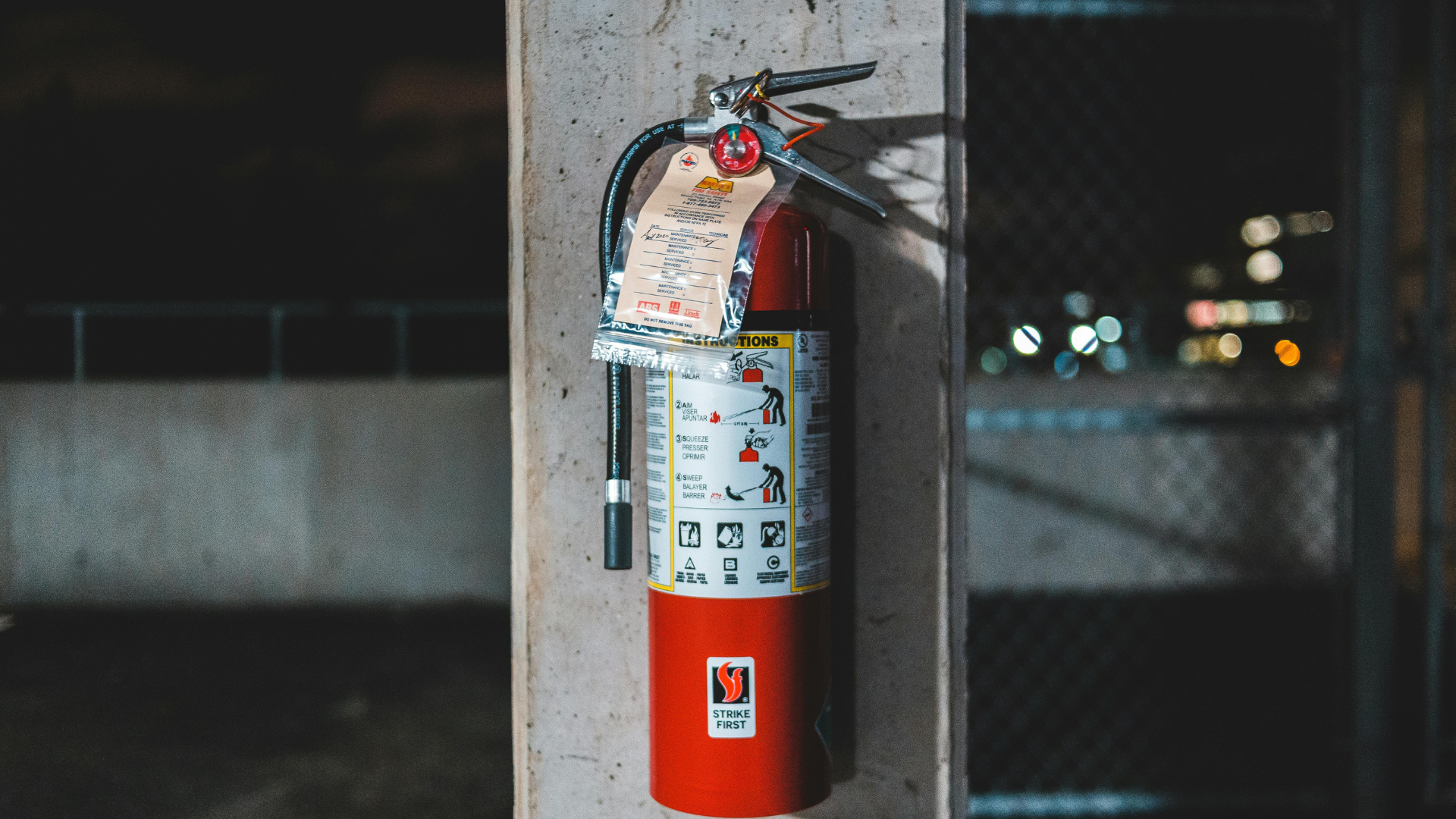
The cornerstone of any effective fire training is the P.A.S.S. method. This simple acronym is designed to be easily remembered during the panic of a real emergency.
- P - Pull the pin: Break the tamper seal and pull the safety pin to unlock the operating lever.
- A - Aim low: Point the extinguisher nozzle or hose directly at the base of the fire, not at the flames themselves.
- S - Squeeze the lever: Squeeze the handle firmly and consistently to discharge the extinguishing agent.
- S - Sweep side to side: Move the nozzle steadily back and forth across the base of the fire until the flames are completely extinguished.
3. Fight or Flee: Assessing the Situation
Perhaps the most important part of training is teaching employees when not to fight a fire. Instructors train staff to immediately evacuate if:
- The fire is spreading rapidly beyond its original starting point.
- The room is filling with smoke, reducing visibility or making breathing difficult.
- The fire could block their only path of escape.
The Advantage of Hands-On "Live Fire" Training
While watching an instructional video or taking an online quiz checks a compliance box, it does not build muscle memory.
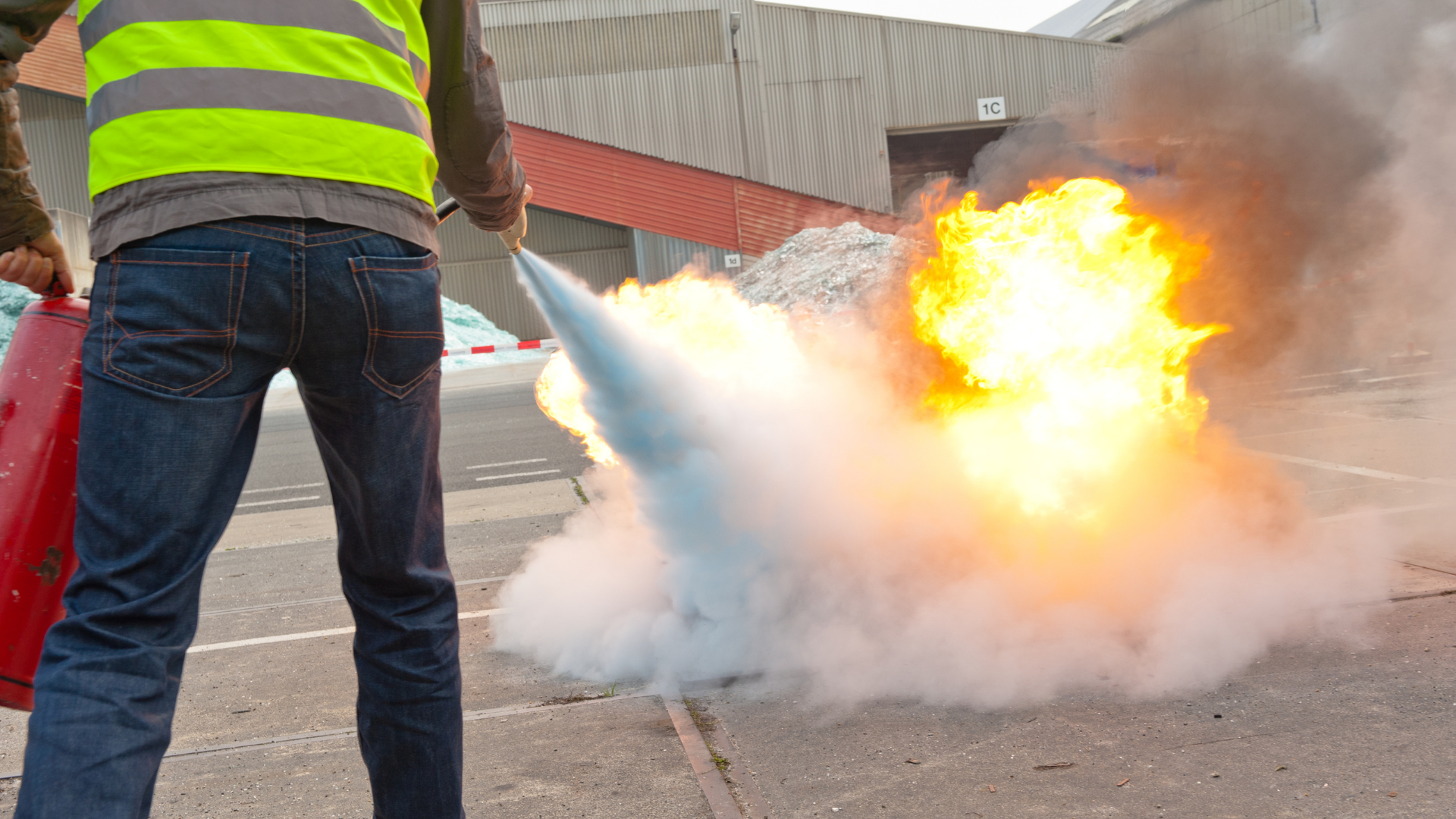
Professional extinguisher training often includes controlled, live-fire scenarios or advanced Virtual Reality (VR) simulators. This allows employees to feel the weight of a loaded extinguisher, experience the physical kickback of discharging it, and practice aiming at a realistic target. This practical exposure drastically reduces panic and hesitation in a real-world scenario.
Protect Your People and Your Business
Investing in professional fire extinguisher training does more than just satisfy OSHA inspectors—it empowers your workforce to act decisively and safely when seconds count.