Fire Extinguisher Inspection Requirements for Businesses in 2026 | OSHA & NFPA Compliance Guide
Fire extinguisher inspections are not just a recommended safety practice—they are a legal requirement for most commercial properties. In 2026, businesses are expected to follow updated safety regulations, stricter enforcement standards, and more consistent documentation procedures to ensure workplace safety and compliance. Understanding these requirements helps prevent violations, reduces liability, and ensures your facility is prepared in the event of an emergency.
This guide breaks down everything business owners need to know about fire extinguisher inspection requirements, including OSHA and NFPA standards, inspection frequency, compliance rules, and what to expect during an official inspection.
Why Fire Extinguisher Inspections Are Required
Fire extinguishers inspection are a critical first line of defense during early-stage fires. However, they are only effective if they are properly maintained and fully operational.
Regulatory agencies require routine inspections to ensure:
- Equipment is fully charged and functional
- No physical damage or corrosion is present
- Safety seals and tamper indicators are intact
- Extinguishers are accessible and properly mounted
- Pressure levels remain within the safe operating range
Failing to maintain fire extinguishers can result in fines, insurance complications, and increased risk during emergencies.
OSHA Fire Extinguisher Requirements for Businesses
The Occupational Safety and Health Administration (OSHA) outlines clear requirements for workplace fire extinguisher compliance.
Key OSHA Standards:
- Extinguishers must be inspected monthly
- A complete annual maintenance inspection is required by a certified technician
- Extinguishers must be clearly visible and accessible at all times
- Employees must have access to basic fire safety training when required
- Equipment must be selected based on workplace hazard classification
OSHA inspections often include checking documentation records to ensure compliance is being consistently maintained.
NFPA 10 Fire Extinguisher Inspection Standards
The National Fire Protection Association (NFPA 10) provides the most widely adopted standard for portable fire extinguishers in commercial settings.
NFPA 10 Requirements Include:
- Monthly visual inspections conducted internally or by staff
- Annual maintenance by a certified fire protection professional
- Hydrostatic testing at scheduled intervals (typically every 5–12 years depending on type)
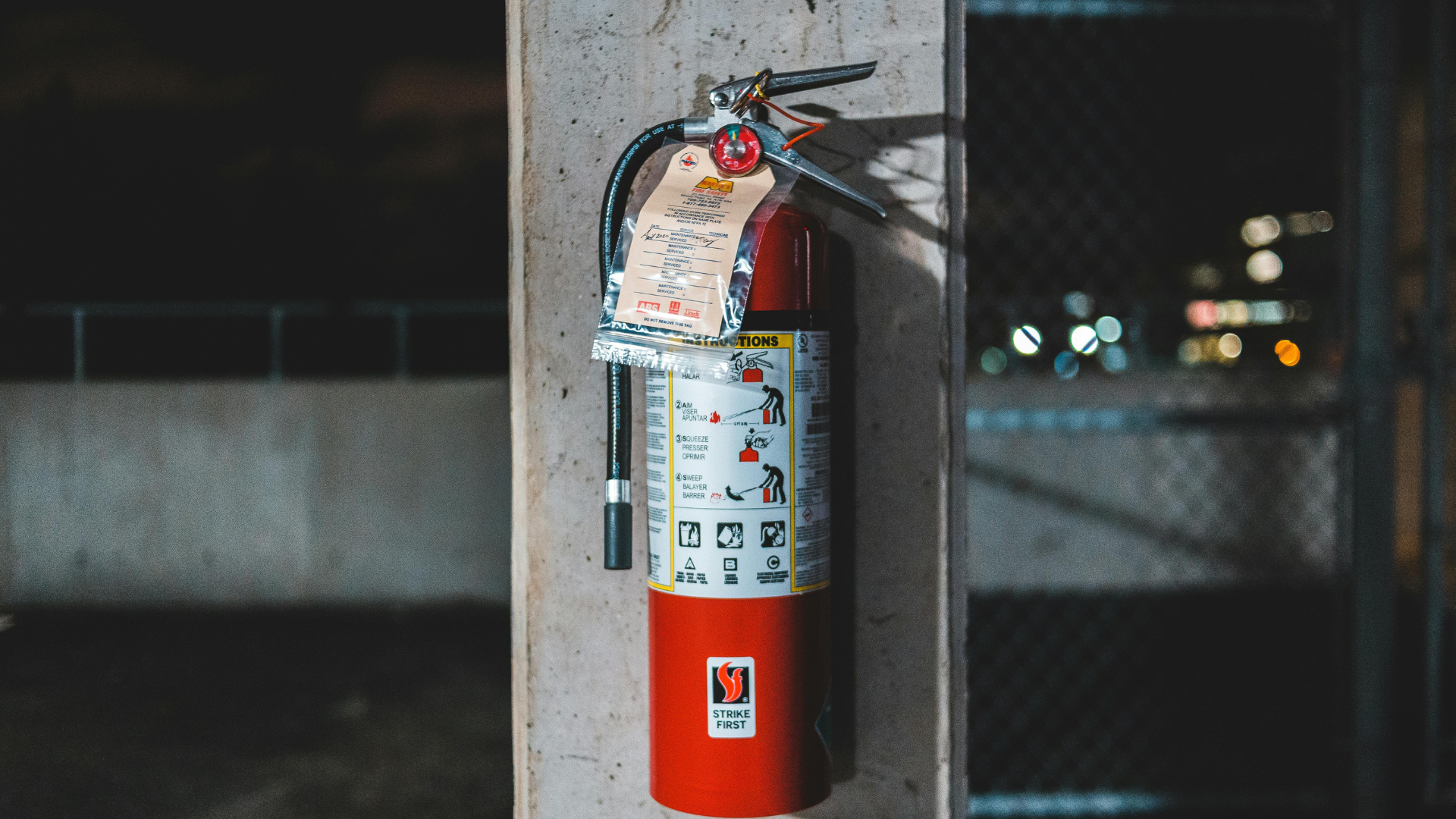
- Proper labeling and tagging after each inspection
- Replacement or repair of any damaged or non-compliant units
NFPA standards are often referenced by local fire marshals during compliance checks.
How Often Fire Extinguishers Must Be Inspected
Businesses must follow a structured inspection schedule:
- Monthly: Visual inspection (pressure, accessibility, physical condition)
- Annually: Professional maintenance inspection
- Every 5–12 Years: Hydrostatic testing depending on extinguisher type
- As Needed: Immediate inspection after use or damage
Maintaining a consistent schedule is one of the most important factors in passing safety audits.
What Happens During a Fire Extinguisher Inspection
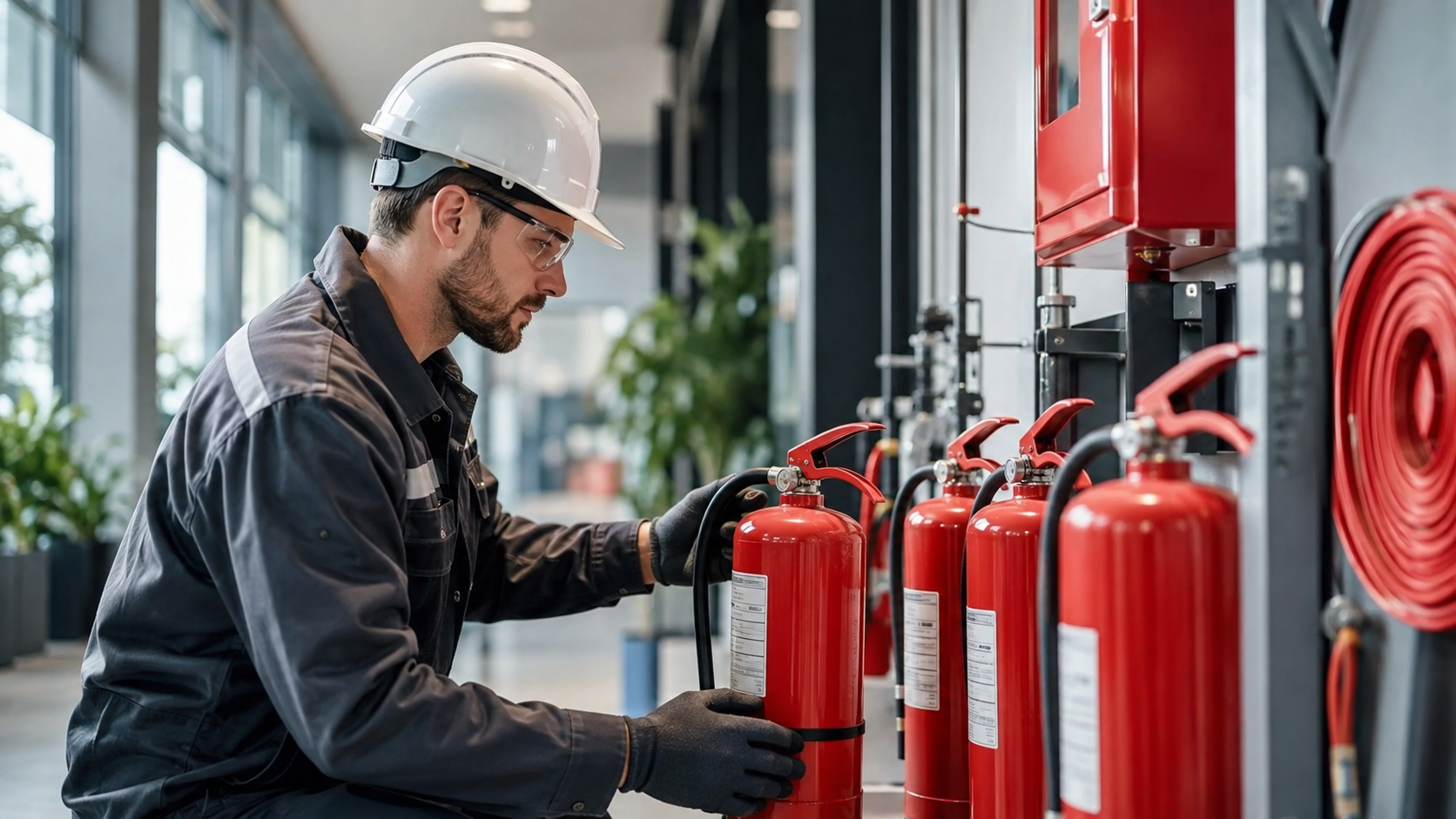
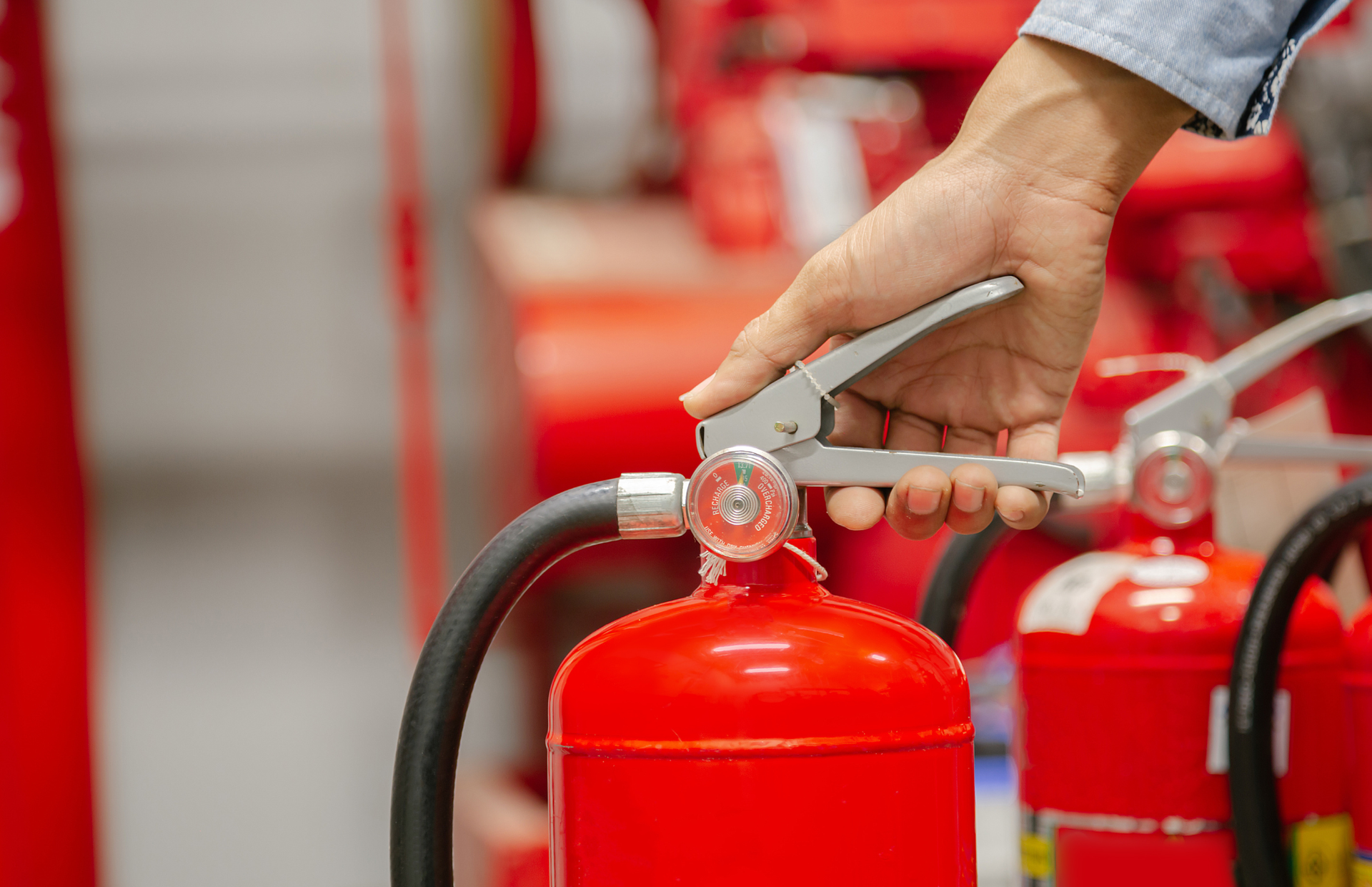
A professional fire extinguisher inspection typically includes:
- Checking pressure gauges and internal charge levels
- Inspecting hoses, nozzles, and safety seals
- Verifying mounting brackets and signage
- Confirming accessibility and visibility compliance
- Reviewing inspection tags and maintenance records
- Replacing or servicing defective units if needed
At the end of the inspection, technicians provide documentation confirming compliance with NFPA and OSHA standards.
Common Compliance Violations Businesses Should Avoid
Many violations are simple but can lead to serious penalties:
- Missing monthly inspection records
- Blocked or inaccessible extinguishers
- Expired or untagged equipment
- Incorrect extinguisher type for hazard level
- Low pressure or damaged cylinders
Regular inspections help eliminate these risks before they become violations.
Why Compliance Matters Beyond Legal Requirements
Fire extinguisher compliance is not only about avoiding fines—it directly impacts:
- Employee safety and emergency readiness
- Insurance eligibility and claim approvals
- Liability protection in case of fire incidents
- Business continuity and risk reduction
A properly maintained fire safety system can significantly reduce damage during emergencies.
Final Thoughts
Fire extinguisher inspection requirements in 2026 are centered around consistency, documentation, and adherence to OSHA and NFPA standards. Businesses that stay proactive with inspections not only remain compliant but also create a safer working environment and reduce long-term operational risks.
If your business hasn’t reviewed its fire extinguisher compliance recently, scheduling a professional inspection is the most effective next step.